Government vs Private Sector Salary in India
The honest answer to "which pays more?" is distribution-dependent. The average regular wage/salaried employee in India earned about Rs 22,891 a month in 2024 (male average, per the government's PLFS releases) - and a central government clerk at Level 1 starts at basic Rs 18,000 before 60% dearness allowance and allowances, while a gazetted officer at Level 10 starts at basic Rs 56,100 and takes home over a lakh. So against the middle of the private market, government pay wins early and keeps winning on benefits. But the private top end - product-company engineers averaging Rs 9-13 lakh a year with offers to Rs 20-45 lakh, finance and consulting above that - outruns any government scale. This page runs the head-to-head properly: cash, benefits, security and lifetime math.
By the SalaryIndia editorial team · Updated October 2026
Key numbers at a glance
| Metric | Government (central, 2026) | Private market |
|---|---|---|
| Entry anchor | Level 10 officer: basic Rs 56,100, in-hand roughly Rs 1.0-1.1 lakh | average regular-salaried pay about Rs 22,891/month (PLFS 2024); engineers Rs 9-13 lakh/year |

Government vs private salary: head-to-head comparison
Cash first. The table compares representative points on both ladders, using central government figures and market bands from our profession pages.
| Stage | Government (central) | Private (typical bands) |
|---|---|---|
| Entry (graduate) | Level 1-4: basic Rs 18,000-25,500; SSC CGL Level 4-8, basic Rs 25,500-47,600 | services and SMB roles Rs 2.5-6 lakh/year; engineers Rs 9-13 lakh average |
| Entry (officer/premium) | Level 10: basic Rs 56,100, in-hand Rs 1.0-1.1 lakh (IAS/CAPF/Railway Group A) | product companies and GCCs: Rs 20-45 lakh for top engineering offers |
| Mid-career (~10 yrs) | Levels 11-13: basic Rs 67,700-1,18,500 | senior engineers/managers: often 2-4x their own entry pay |
| Senior (~20 yrs) | Levels 14-17: basic Rs 1,44,200-2,25,000; Cabinet Secretary fixed Rs 2,50,000 | top-decile leaders: several multiples of the government ceiling |
The structural difference is how the numbers move. Government pay is a formula: basic fixed by level, DA revised every January and July (60% of basic from January 2026, per the Department of Expenditure), HRA at 30/20/10% by city class, increments near-automatic - see the IAS salary and SSC CGL salary pages for the worked math. Private pay is a negotiation that resets at every switch: our software engineer salary page shows how the same title pays Rs 8 lakh at a services firm and Rs 35 lakh at a product company, and the gap compounds with every move. For comparing a specific pair of offers, push both through the CTC to in-hand calculator.
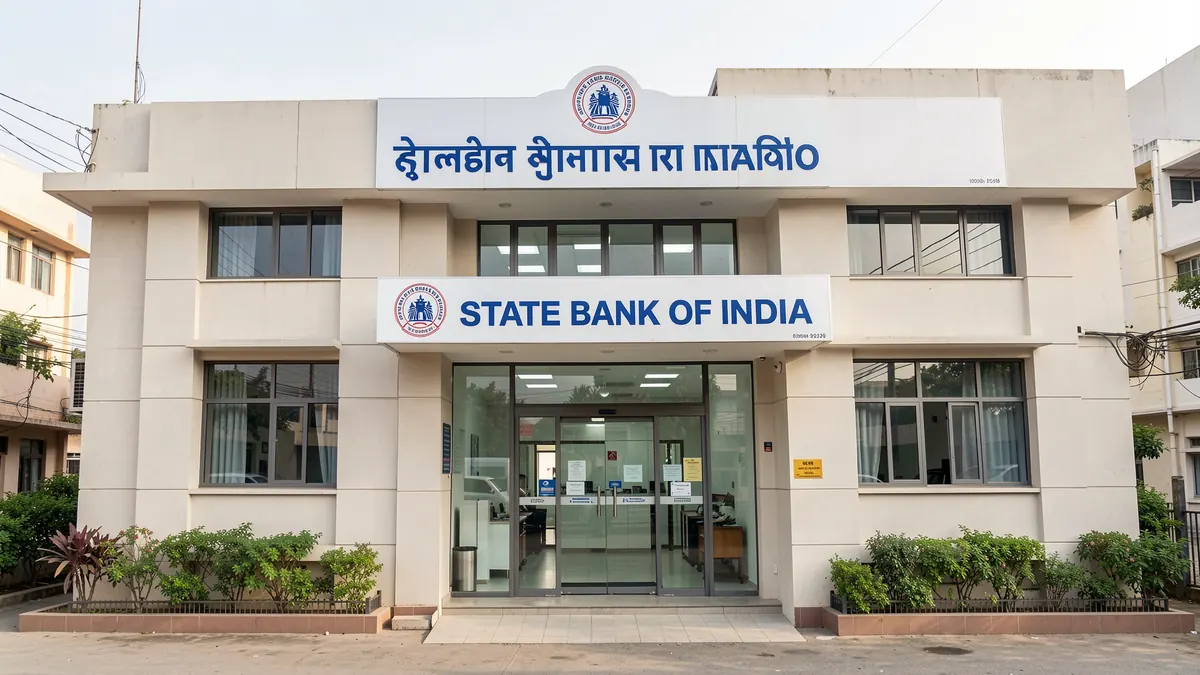
Benefits, security and lifetime earnings
Cash comparisons understate the government package, because the benefit stack is inflation-proofed in a way private CTC components are not.
| Component | Government | Private |
|---|---|---|
| Inflation protection | DA indexed half-yearly (60% now); allowances re-fix at DA milestones | annual increments at employer discretion |
| Retirement | NPS 10% of basic + DA with the UPS guaranteed-pension option; gratuity 15/26 formula, Rs 20 lakh cap | EPF 12% of basic (8.25% interest in 2024-25 per EPFO); gratuity same statute, typically smaller base |
| Healthcare | CGHS and equivalent schemes | employer insurance, usually policy-capped |
| Job security | effectively permanent after probation | at-will in practice; layoffs cycle with markets |
| Peak earnings | capped at Level 17 / Rs 2,25,000 basic | uncapped in the top decile |
Lifetime math for the median earner favours government: a career-long DA tail, a pension floor under UPS, subsidised housing and healthcare, and gratuity computed on the final basic plus DA (run your number in the gratuity calculator). The private counter-case is access: a professional who reliably lands top-quartile roles accumulates faster, provided the volatility never catches them - the PLFS averages (about Rs 22,891 a month for male regular employees in 2024, with rural women regular workers near Rs 13,800) are the reminder of what the middle of the private market actually pays; verify current tables at mospi.gov.in. Tax treatment is identical across sectors under the FY 2026-27 regime choice - check yours in the income tax calculator. For every benchmark used above, start at the SalaryIndia homepage.

FAQ
Who earns more in India - government or private employees?
At the averages, government: regular-salaried male employees averaged about Rs 22,891 a month in 2024 (PLFS), while a Level 10 officer's in-hand exceeds Rs 1 lakh. The private top decile, though, out-earns most civil servants from mid-career.
What is the average salary of a salaried employee in India?
About Rs 22,891 a month for male regular wage/salaried employees in 2024 per PLFS releases, rising toward Rs 24,000 in 2025; rural and female averages run materially lower. Verify at mospi.gov.in.
What benefits make government pay worth more than it looks?
DA at 60% of basic indexed half-yearly, HRA or housing, NPS with the UPS guaranteed-pension option, CGHS healthcare, and gratuity at 15/26 of basic plus DA capped at Rs 20 lakh - inflation-proofing private packages rarely match.
When does the private sector clearly beat government pay?
In the top decile: engineers average Rs 9-13 lakh at entry with product/GCC offers to Rs 20-45 lakh, and senior product/finance roles run multiples of an IAS officer's take-home.
How do government and private salary growth compare?
Government: formula-driven increments, half-yearly DA and time-bound grades, capped at Rs 2,25,000 basic. Private: jump-driven - switches commonly move pay 30-100% at a time in top markets, with discretionary risk.
Is a government job better for lifetime earnings?
For the median earner, usually yes on risk-adjusted value (pension floor, DA compounding, healthcare, housing). For the top-decile private earner, no - peak earnings out-accumulate the government package.
Estimates only - confirm final figures with the Department of Expenditure, EPFO and MoSPI sources cited. SalaryIndia is an independent publisher, not affiliated with any government body.