PSU Salary in India
Central Public Sector Enterprises - the ONGCs, NTPCs, IOCLs and the hundreds below them - pay through their own revision machinery, separate from both the 7th CPC matrix and the private market. The operative framework for executives is the Third Pay Revision Committee, effective 1 January 2017 and approved by Cabinet in February 2018: a 15% fitment on basic plus dearness allowance, perks and allowances capped at 35% of basic pay, Industrial Dearness Allowance revised quarterly, and grade-wise scales running from E0 (Rs 30,000-1,20,000 in Schedule A companies) up to board levels. Add company-specific performance pay and the Maharatna premium, and a trainee at a top CPSE can gross around a lakh a month. This guide breaks down the whole structure.
By the SalaryIndia editorial team · Updated October 2026
Key numbers at a glance
| PSU track | Pay anchor | Approx. gross per month (2026, estimates) |
|---|---|---|
| Executive trainee (E0/E1, Schedule A Maharatna) | E0 scale Rs 30,000-1,20,000 basic, 3rd PRC | typically around Rs 1 lakh+ with IDA, perks and company heads |
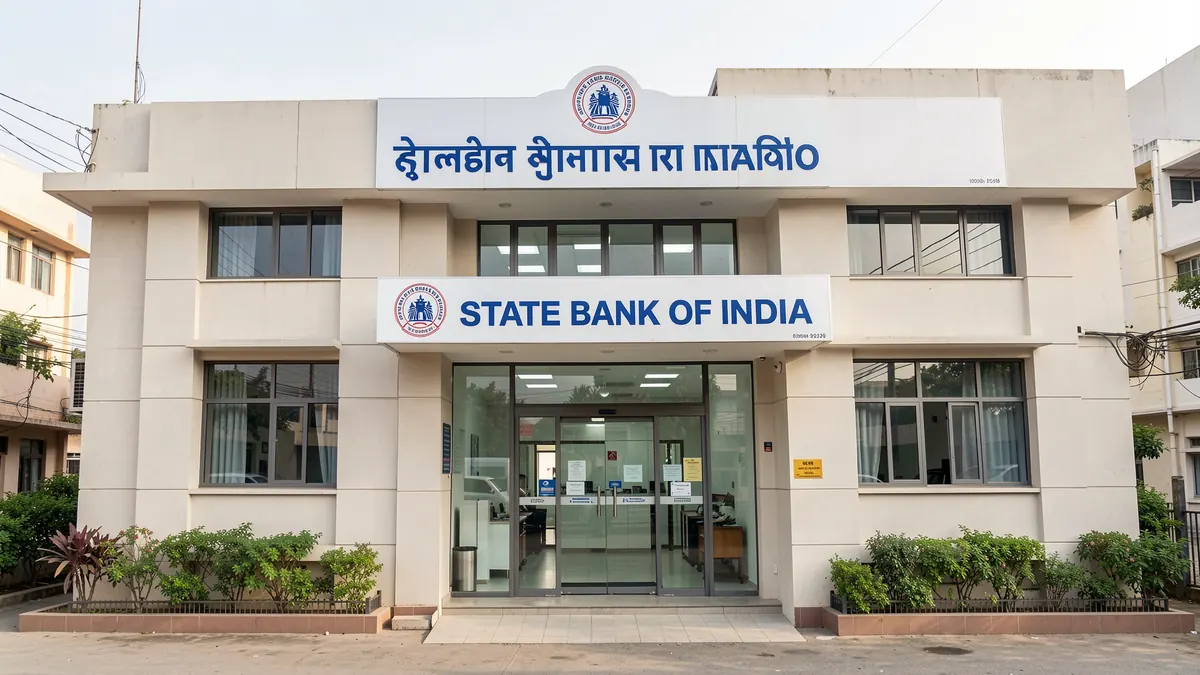
PSU salary in India: complete breakdown
PSU payslips have their own anatomy - grades instead of levels, IDA instead of central DA, and a perks envelope instead of individual allowance slabs.
| Component | 3rd PRC rule (effective 1 Jan 2017) | Effect |
|---|---|---|
| Basic pay | grade-wise scales, E0 upward; Schedule A E0 at Rs 30,000-1,20,000 | anchored to the company's schedule (A/B/C) |
| Fitment | 15% on basic + DA at revision | how old pay translated into the new scales |
| IDA | revised quarterly per DPE orders | compounds four times a year on basic |
| Perks and allowances | ceiling of 35% of basic | housing support, conveyance, medical and similar heads |
| Performance-related pay | company-specific, tied to profit criteria (affordability clause) | the variable layer, strongest at Maharatnas |
| Deductions | PF/defined-contribution pension per company rules, income tax | most CPSEs run their own superannuation trusts |
The classification ladder matters as much as the grades: Maharatna/Navratna/Miniratna status and Schedule A/B/C determine which scale table applies, so the same E1 title can pay differently across companies - the authoritative tables live on the Department of Public Enterprises website. Non-executive pay (technicians, operators, office staff) is settled in periodic wage negotiations between unions and management rather than the PRC, and those pacts reset in their own cycles. For engineers comparing offers, our civil engineer salary page shows how PSU bands sit against the private market for that stream; for tax treatment, PSU CTCs convert to take-home with the CTC to in-hand calculator.
Career progression and pay growth
The executive ladder is grade-wise, time-bound in the junior grades and selection-based at the top - closer to a corporate ladder than a government one.
| Stage | Mechanism | Pay position |
|---|---|---|
| Trainee (E0/E1) | campus hire via GATE/exam | entry scale plus IDA and perks |
| E1-E3 grades | largely time-bound promotion | scale jumps every few years |
| E4-E6 (middle management) | selection-cum-merit | higher scales, bigger perk base |
| E7-E9 (senior management) | selection | top-of-matrix scales |
| Board level (Director, CMD) | government appointment; DPE guidelines set pay | separate pay schedule above E9 |
Two growth notes. First, quarterly IDA compounds faster than half-yearly central DA in rising inflation, and every increment lifts the perk base too - a senior E5-E6 executive at a Maharatna commonly grosses well into six figures a month. Second, the affordability clause ties revisions and performance pay to company profitability, so PSU pay growth is a bet on the enterprise, not just the grade. Against government ladders, a Group A Level 10 entry (basic Rs 56,100, on our IAS salary page) starts higher than an E0 trainee but the PSU trainee's total cost to company catches up quickly at top companies. The full benchmark set is on the SalaryIndia homepage.
FAQ
How is PSU salary decided in India?
Through CPSE-specific revisions: the 3rd Pay Revision Committee (effective 1 Jan 2017) for executives - 15% fitment, perks capped at 35% of basic, quarterly IDA, E0 at Rs 30,000-1,20,000 in Schedule A - and periodic union wage settlements for non-executives.
What is the entry salary of a PSU executive?
E0/E1-grade entry: Schedule A E0 pays Rs 30,000-1,20,000 basic; with IDA, perks and company heads, trainee gross at a Maharatna is typically around Rs 1 lakh+ a month. Verify current tables on dpe.gov.in.
What is IDA in PSU salary?
Industrial Dearness Allowance - the CPSE inflation index, revised quarterly per DPE orders, unlike half-yearly central DA (60% from January 2026). Check the current rate on the DPE website.
Do Maharatna companies pay more than other PSUs?
Yes - classification and schedule decide the scale tables and perk ceilings; Schedule A Maharatnas like ONGC and NTPC sit at the top, and profitability feeds performance pay through the affordability clause.
How does PSU pay grow over a career?
Grade-wise: time-bound E1-E3 promotions, selection-based movement through E4-E9, then board levels (Director, CMD) with DPE-set pay. Non-executives progress through skill grades settled in wage pacts.
Is a PSU job better paid than a government job?
Maharatna trainee packages typically beat central Level 6-7 in-hand; a Group A Level 10 officer (Rs 56,100 basic) starts higher, but PSU total pay catches up at top companies while the central ladder tops out higher at Level 17.
Estimates only - confirm final figures with the company's HR and current DPE orders. SalaryIndia is an independent publisher, not affiliated with any government body.